
Land, Tax, and Conservation
Where the Crawdads SingKya’s uncertain claim to the marsh becomes legal ownership and, ultimately, a protected legacy against development.
increasing Bearing strength in each event
 decreasing
Bearing strength in each eventdecreasingA Threat of Drainage
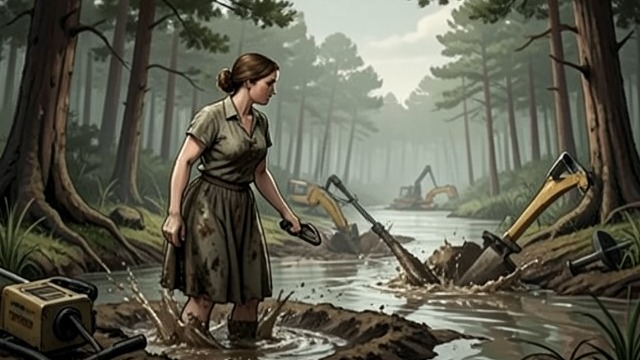
Development Reaches the Marsh
Machines on the Land
Kya sees developers cutting trees and digging channels to dry wetlands. The changes threaten habitats that she has spent her life documenting.
A Personal Stake
She does not know whether her family has a valid deed. The threat forces her to find out whether the home she has defended is legally hers.
The Old Bible as Proof

Searching the Records
A Name on the Deed
Kya takes the family Bible to the courthouse and uses its names to connect her grandfather to the land records. The search turns family history into practical evidence.
A Forgotten Claim
The property has not been sold, but unpaid taxes place ownership at risk. Kya must act before an outside buyer can claim the land.
Back Taxes Calculated
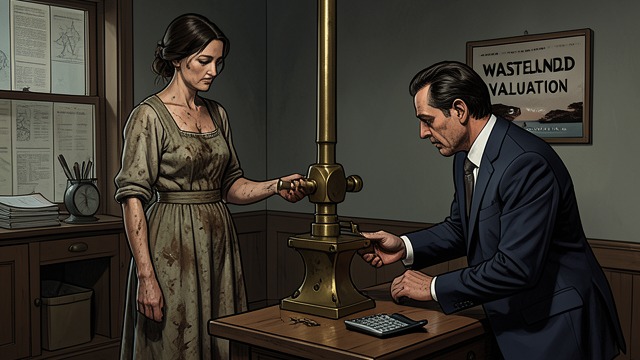
A Price on Home
Waste-Land Valuation
The clerk calculates decades of back taxes using the county’s low valuation for wasteland. The amount is manageable, though it consumes a substantial part of Kya’s savings.
Independence Tested
Kya’s publishing income gives her a chance to secure the property. The land is no longer merely a refuge she occupies; she can claim responsibility for it.
Three Hundred Ten Acres
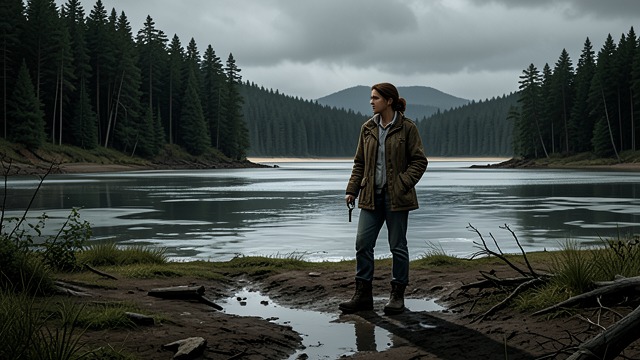
Ownership Confirmed
A Legal Claim
Kya pays the outstanding taxes and receives title to the family property. The land includes lagoons, oak forest, marsh, and a private beach.
A Changed Relationship
The designation of wasteland contrasts with Kya’s intimate knowledge of its ecological wealth. Legal ownership gives her a way to resist the assumptions that make development seem harmless.
The Land Stays Wild
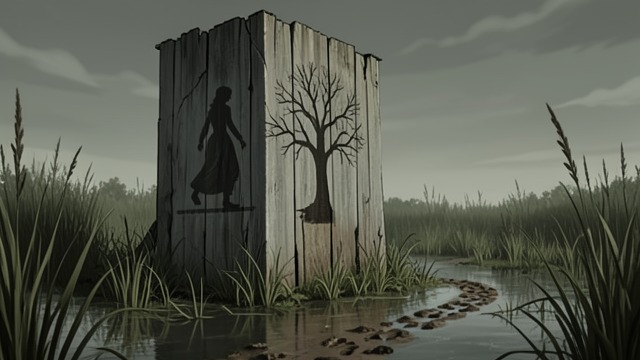
Protection Beyond a Lifetime
Conservation Easement
Tate finds that Kya placed the property under a conservation easement. The decision ensures that developers cannot easily erase the landscape that sustained her.
A Kept Promise
The marsh remains a habitat and a record of Kya’s life. Her stewardship outlasts her books, her home, and the town’s shifting stories.
1968
1968, after the development warning
1968, during the courthouse visit
1968, after payment of the taxes
After Kya’s death in 2009
